by Stephane McShane, Maxim Consulting Group
Training as a Strategic Investment in People and Performance
Effective training is more than a checklist item or a compliance requirement. It is one of the strongest tools an organization has for improving performance, retaining talent, reducing confusion, and preparing employees for long-term success. When training is designed intentionally, measured consistently, and communicated clearly, it becomes a system for building confidence at every level of the company. Employees gain the knowledge and skills they need to do their jobs well, while employers gain a more capable, flexible, and engaged workforce.
Why is training so important?
Benefits for the employee
For employees, training provides clarity, confidence, and opportunity. A person who understands the expectations of a
role is more likely to make good decisions, solve problems independently, and take ownership of results. Training also reduces the anxiety that comes from uncertainty. Instead of guessing how a process works or relying on inconsistent verbal instructions, employees can refer to established standards and repeatable workflows. This creates a stronger foundation for job satisfaction and professional growth. Training also signals that the company values the employee’s future. When people see that their employer is willing to invest time, resources, and coaching into their development, they are more likely to view their role as part of a career path rather than just a job. This is especially important in organizations that want to retain strong performers and develop internal leaders. Skill-building gives employees a practical way to increase their value, qualify for more responsibility, and move toward
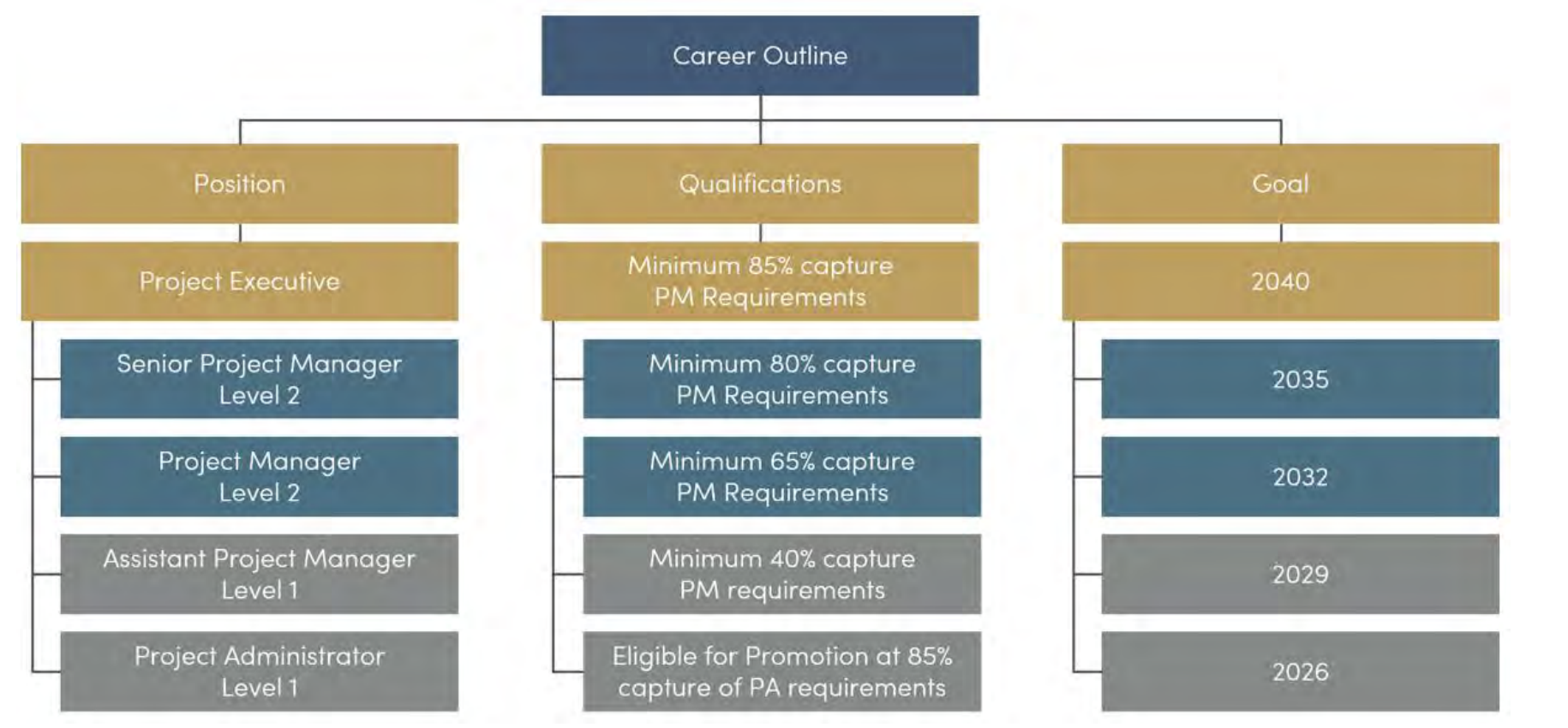
promotions or raises based on objective achievement.
Benefits for the employer
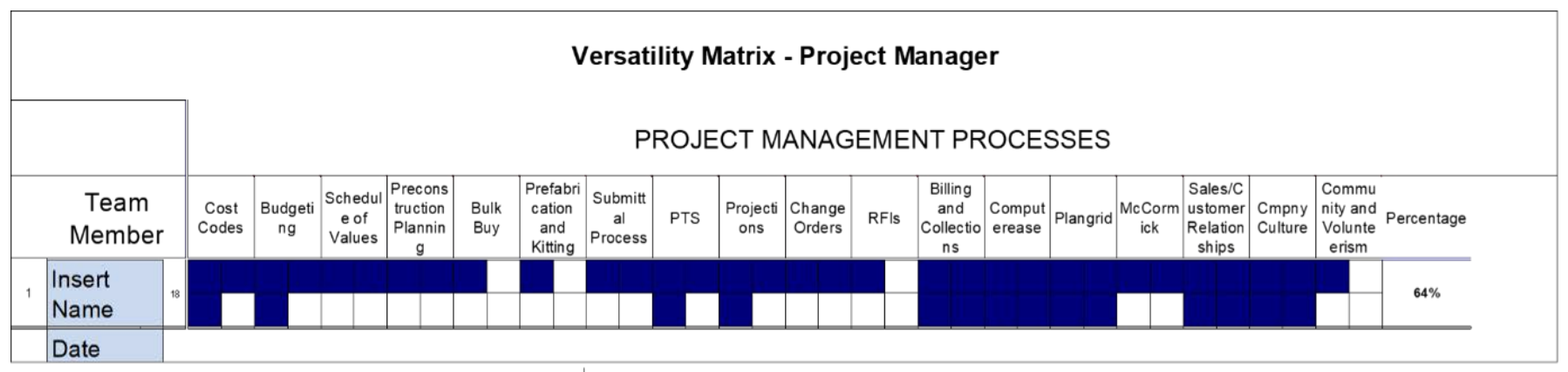
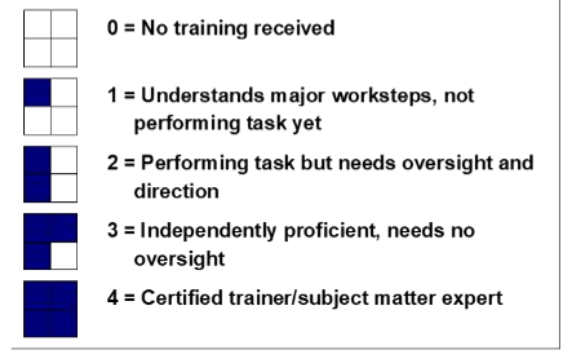
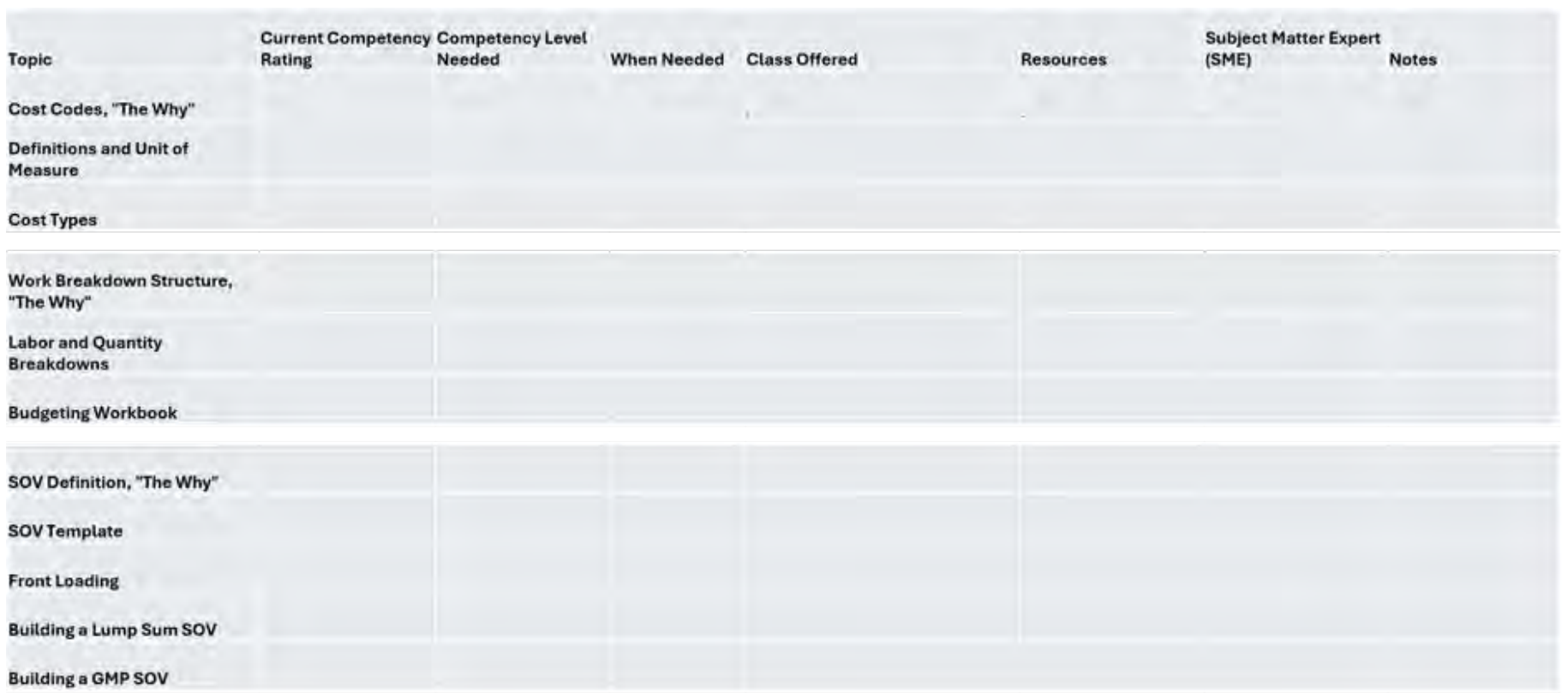
For employers, training improves consistency and reduces risk. When employees are taught the same standards, procedures, and expectations, the organization becomes less dependent on tribal knowledge and individual interpretation. This leads to fewer mistakes, faster onboarding, better customer experience, and smoother coordination b etween departments. A strong training program also makes it easier to identify gaps before they become costly problems. Training is also a workforce planning tool. Employers that understand the skills available within their teams can make better decisions about staffing, succession planning, project assignments, and hiring needs. Instead of reacting to shortages after they appear, leaders can
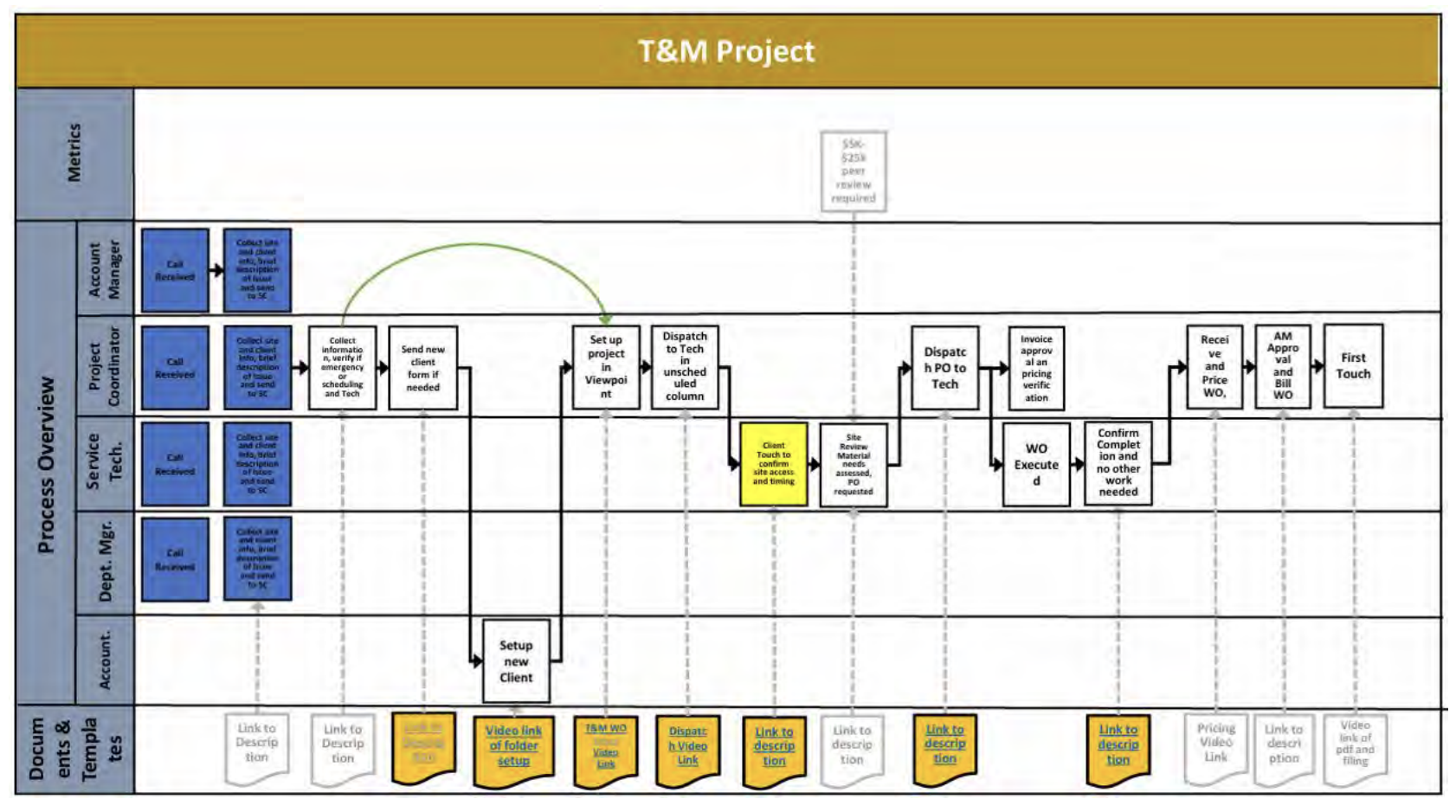
Figure 1
THE CONTRACTOR’S COMPASS AUGUST2026